
Why Some Champions Avoid Unification Fights: Economics and Risk in Modern Boxing
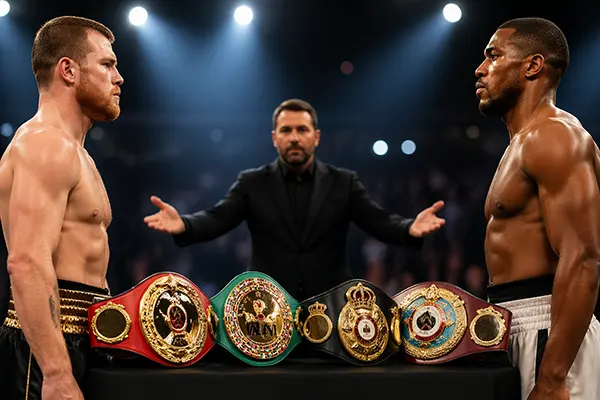
In theory, unification bouts represent the pinnacle of professional boxing, bringing together champions from different sanctioning bodies to determine a single, undisputed leader in a division. In practice, however, these fights are often delayed or avoided altogether. Behind the scenes lies a complex mix of financial calculations, contractual obligations, promotional politics, and personal risk assessment that shapes decision-making at the highest level of the sport.
Financial Incentives and Revenue Structures
At elite level, boxing is not governed by a central league but by independent promoters, broadcasters, and sanctioning bodies. Each champion typically has existing agreements that guarantee revenue from title defences against carefully selected opponents. These fights often generate stable income with lower uncertainty compared to high-risk unification bouts.
Pay-per-view dynamics further complicate the picture. A champion who consistently headlines events against recognisable but beatable opponents may earn predictable returns. A unification fight, while potentially lucrative, involves splitting revenue between multiple stakeholders, including rival promoters and networks. Negotiating these splits can reduce the individual financial benefit.
Sponsorship and market positioning also play a role. Fighters build brands around undefeated records or dominant reigns. A loss in a unification bout can reduce future earning potential, affecting endorsement deals and ticket sales. As a result, the financial upside of unification must clearly outweigh long-term commercial risks.
Broadcast Rights and Promotional Barriers
Modern boxing is closely tied to exclusive broadcasting contracts. Major networks and streaming services invest heavily in fighters, expecting them to compete within their ecosystem. When two champions are aligned with different broadcasters, negotiations become more complex and time-consuming.
Promoters also act as key gatekeepers. Each promoter aims to maximise returns for their stable of fighters, which may conflict with the interests of rival promotional companies. Disagreements over venue, purse splits, and control of event branding frequently delay or derail potential unification bouts.
Even when financial terms are agreed, logistical factors such as scheduling, mandatory challenger obligations, and sanctioning body fees add layers of complication. These structural issues make unification less straightforward than it appears from a sporting perspective.
Risk Management and Career Strategy
From a fighter’s standpoint, every bout represents a calculated risk. Unification fights typically involve facing an opponent of equal or higher calibre, significantly increasing the chance of defeat. In a sport where a single loss can alter public perception, this risk is taken seriously.
Career longevity is another factor. Fighters and their teams often plan trajectories that balance competitive credibility with physical preservation. Taking on multiple high-risk fights in quick succession can lead to injuries, shorter careers, and reduced earning windows.
Mandatory defences imposed by sanctioning bodies can also influence decision-making. Champions are required to defend titles against designated challengers, limiting flexibility in scheduling unification bouts. Ignoring these obligations may result in titles being stripped, which undermines the very purpose of unification.
Psychological and Physical Considerations
Beyond financial and contractual elements, psychological readiness plays a role. Fighters must be confident not only in their skills but also in their preparation, coaching, and tactical approach. Facing another champion often means adapting to unfamiliar styles and higher levels of pressure.
Physical condition is equally important. Injuries, weight management challenges, and recovery cycles influence when a fighter is willing to take on the toughest available opponent. Timing becomes critical, and delays are sometimes strategic rather than avoidant.
Public expectation can also affect decisions. While fans demand unification bouts, the scrutiny associated with such fights can be intense. Fighters and their teams may choose to build momentum through intermediate bouts before committing to a high-stakes contest.

The Role of Boxing Governance and Sanctioning Bodies
Boxing’s fragmented governance structure is one of the primary reasons unification fights are rare. Multiple sanctioning organisations—such as the WBA, WBC, IBF, and WBO—operate independently, each with its own rankings, mandatory challengers, and fee systems.
These organisations benefit financially from maintaining separate titles, as each championship generates sanctioning fees. While undisputed champions bring prestige, the system itself does not always incentivise consolidation of belts.
Regulatory differences across jurisdictions further complicate matters. Event approvals, licensing requirements, and tax considerations vary by country, influencing where and how fights are organised. These external factors can delay negotiations or shift priorities.
Future Trends and Possible Reforms
In recent years, there have been attempts to streamline the process of making major fights. Cross-promotional agreements and co-broadcast deals have become more common, allowing fighters from different networks to compete on shared platforms.
There is also growing pressure from fans, media, and independent analysts for greater transparency and accountability. High-profile examples of successful unification bouts demonstrate that cooperation is possible when financial and strategic interests align.
Looking ahead to 2026 and beyond, technological changes in broadcasting and the rise of global streaming services may reduce traditional barriers. However, as long as boxing remains decentralised, economic incentives and risk calculations will continue to shape whether champions choose to unify or defend their titles separately.