
Champions League Final 2026 in Budapest: What Fans Should Know Before Europe’s Biggest Club Match
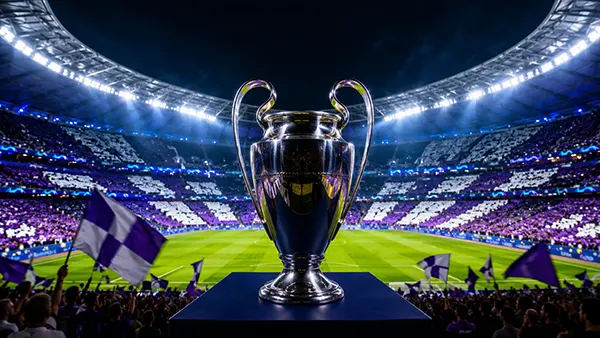
The 2026 UEFA Champions League Final in Budapest is expected to become one of the most watched sporting events of the year. Europe’s leading football clubs will meet at the Puskás Aréna, a stadium that has already hosted several major international matches and UEFA tournaments in recent years. Supporters travelling to Hungary for the final are already preparing accommodation, transport and matchday plans months in advance, as demand for tickets and travel packages continues to grow across Europe.
Why Budapest Was Chosen for the 2026 Champions League Final
UEFA selected Budapest after the Hungarian capital successfully organised several international football competitions, including UEFA Super Cup fixtures and European Championship matches. The city demonstrated strong transport infrastructure, modern stadium facilities and the ability to manage large numbers of international visitors during high-profile sporting events.
Puskás Aréna is considered one of the newest large football stadiums in Europe. Opened in 2019, the venue can hold more than 67,000 spectators and was designed to meet UEFA Elite Stadium standards. The arena combines modern hospitality areas, improved visibility from every section and upgraded security systems that comply with current UEFA regulations for major finals.
Budapest itself remains attractive for travelling supporters because of its relatively accessible pricing compared with some Western European capitals. Visitors can usually find a wide range of hotels, apartments and public transport options, making the city suitable for both short football trips and longer stays around the final weekend.
What Supporters Should Know About the Stadium Area
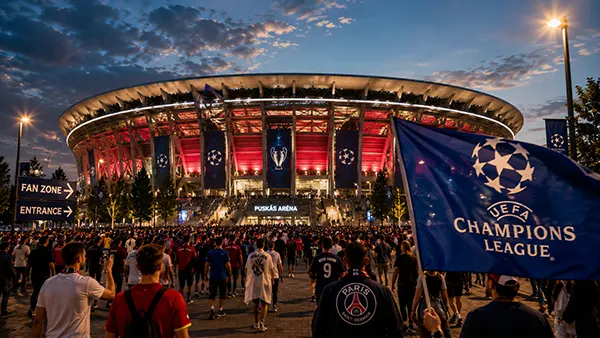
Puskás Aréna is located on the eastern side of central Budapest and is connected to the city through the M2 metro line. UEFA is expected to introduce controlled fan zones, restricted vehicle access and additional public transport schedules on matchday in order to manage crowd movement around the stadium.
Supporters arriving by public transport should expect security checks several hours before kick-off. UEFA finals usually require digital ticket verification, passport or ID confirmation and restrictions on certain personal belongings entering the venue. Fans travelling internationally should also monitor updates from their clubs and official UEFA channels regarding entry procedures.
The stadium district contains restaurants, hotels and transport hubs within walking distance, but demand during the final weekend will likely increase prices significantly. Early booking remains one of the most important factors for supporters planning to attend the match in person.
Ticket Distribution, Travel Costs and Matchday Planning
UEFA traditionally allocates Champions League Final tickets through several channels, including club allocations, sponsor distributions and public lotteries. Most supporters usually receive access through official club ballots, while a smaller percentage becomes available through UEFA’s public ticket application process.
Travel prices for major football finals often rise sharply after the finalists are confirmed. Flights to Budapest from major European cities are expected to increase in cost during the final week, particularly from countries whose clubs reach the final. Railway services across Central Europe may also experience higher demand than usual.
Accommodation availability is another major concern for supporters. Hotels near the city centre and stadium area are likely to sell out first, especially properties close to metro stations. Many experienced travelling fans already reserve cancellable accommodation months before the finalists become known.
Security Measures and Fan Regulations During the Final
UEFA and Hungarian authorities are expected to introduce expanded security operations throughout the city during the final week. Police patrols, crowd control systems and designated supporter zones will likely operate across central Budapest and around major tourist locations.
Alcohol regulations, public behaviour rules and ticket resale restrictions are expected to be monitored carefully. UEFA continues to strengthen its anti-scalping measures, with many recent finals using mobile ticket systems linked directly to verified supporter identities.
Fans should also prepare for strict stadium entry times. Arriving late to the arena may create complications due to long queues and multiple security checkpoints. Experienced supporters attending European finals often recommend reaching the stadium district at least three hours before kick-off.
What Makes the 2026 Final Important for European Football
The 2026 Champions League Final arrives during a period of significant change in European football. UEFA’s revised competition format continues to reshape qualification routes, fixture schedules and club strategies across domestic leagues and continental tournaments.
Financial pressure on elite clubs remains another major discussion ahead of the final. Teams competing deep into European tournaments face increasing demands connected to player rotation, travel schedules and commercial expectations. The Champions League Final therefore represents not only sporting prestige but also major financial value for participating clubs.
Budapest’s selection also reflects UEFA’s broader strategy of rotating finals across different European regions rather than concentrating major events in a small group of traditional football capitals. This approach helps introduce major football occasions to wider audiences and provides economic benefits for host cities outside Western Europe.
The Atmosphere Expected Around the Final Weekend
Champions League finals traditionally transform host cities into large international football meeting points. Budapest is expected to welcome tens of thousands of supporters from across Europe, creating packed public squares, extended nightlife activity and football-related events throughout the city.
UEFA fan festivals are likely to operate near central tourist districts with sponsor exhibitions, live entertainment and football activities during the days leading up to the match. These areas normally attract both ticket holders and visitors who travel simply to experience the atmosphere surrounding the final.
The 2026 final could also become one of the most watched Champions League matches in recent years because of growing global broadcasting audiences. UEFA continues to expand digital coverage, multilingual streaming access and international media partnerships, making the final accessible to supporters far beyond Europe.