Esports in France 2026: How Paris Became the Centre of the Industry’s Biggest Summer Event
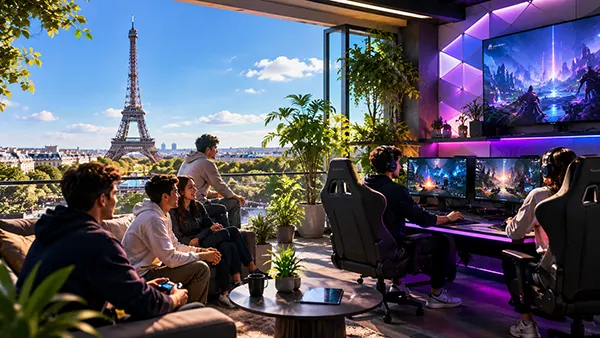
France has strengthened its position as one of Europe’s most influential esports markets, and in 2026 Paris stands at the heart of the industry’s busiest summer season. The French capital has combined world-class venues, strong government support for digital entertainment, an experienced event sector and a growing community of professional teams. As international tournaments, business conferences and fan festivals continue to attract visitors from across the globe, Paris has evolved from a host city into a recognised meeting point for competitive gaming, technology companies and esports organisations.
Why Paris Became a Natural Home for Major Esports Events
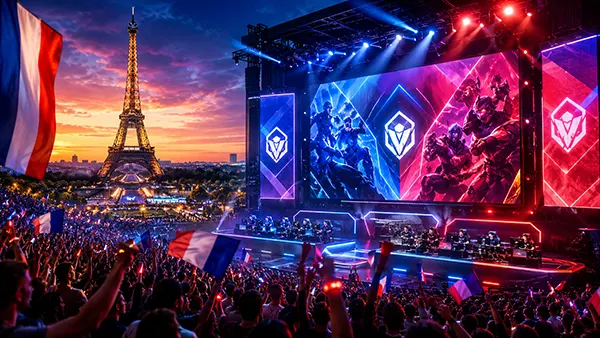
Several factors contributed to Paris becoming a preferred destination for international esports organisers. The city already possessed the infrastructure required for large-scale events, including modern arenas, extensive public transport networks and accommodation capable of handling tens of thousands of visitors. Venues such as Accor Arena have previously hosted major competitions in titles including League of Legends, Counter-Strike and Rocket League, helping establish Paris as a reliable location for global tournaments.
The success of previous international sporting events also played a significant role. Following extensive investments linked to the 2024 Olympic Games, Paris benefited from upgraded facilities and improved logistical capabilities. These developments created favourable conditions for esports events that require advanced broadcasting technologies, high-capacity internet connectivity and efficient crowd management.
Another important factor is France’s strong gaming culture. The country has one of Europe’s largest gaming communities, supported by active amateur competitions, university esports programmes and professional organisations. This local audience provides tournament organisers with consistent attendance figures while creating an attractive environment for sponsors and media partners.
The Role of French Organisations and Industry Support
French esports organisations have helped raise the country’s profile on the international stage. Teams such as Team Vitality have built global fan bases and secured partnerships with major brands from technology, automotive and consumer sectors. Their success has demonstrated the commercial viability of esports within France and encouraged further investment.
Government institutions and regional authorities have also recognised the economic value of esports. While traditional sports continue to receive significant attention, policymakers increasingly view competitive gaming as part of the broader digital economy. Industry events frequently receive support through business development initiatives, innovation programmes and technology-focused partnerships.
Educational institutions have contributed to this growth as well. Universities and specialised training centres now offer courses related to esports management, event production, digital marketing and game development. These programmes help create a skilled workforce capable of supporting the industry’s expanding requirements.
The Economic Impact of the 2026 Summer Esports Season
The concentration of esports activities in Paris during the summer of 2026 has generated considerable economic benefits. Hotels, restaurants, transport providers and entertainment businesses have experienced increased demand as international visitors travel to attend tournaments and related events. Many spectators extend their stays beyond competition days, contributing additional revenue to the local economy.
Business tourism has become another important component of the esports ecosystem. Alongside tournaments, Paris hosts conferences, networking events and investment forums where game publishers, technology providers, agencies and professional organisations discuss industry trends. These gatherings create opportunities for partnerships and commercial agreements that extend well beyond individual competitions.
Sponsorship spending continues to grow across the sector. Brands increasingly view esports audiences as valuable consumers, particularly among younger demographics. As a result, major events in Paris attract investment from companies operating in technology, finance, telecommunications, automotive manufacturing and consumer products.
How International Visitors Shape the Event Experience
The audience attending major esports events in Paris is increasingly international. Fans travel from across Europe, North America, Asia and the Middle East to watch elite competitors perform on some of the industry’s biggest stages. This global attendance contributes to the unique atmosphere surrounding major tournaments.
Beyond the matches themselves, visitors participate in fan festivals, community activities, merchandise exhibitions and gaming showcases. Publishers often use these events to present updates, new content and upcoming releases, creating additional reasons for fans to attend in person rather than simply watching online broadcasts.
The multilingual environment of modern esports events has also influenced event planning. Organisers provide content in multiple languages, while broadcasters distribute tournament coverage worldwide through streaming services and social media channels. This international reach significantly expands the visibility of events hosted in Paris.
The Future of Paris as an Esports Capital
Industry analysts increasingly view Paris as a long-term esports hub rather than a temporary host city. Continued investment in digital infrastructure, event production capabilities and gaming-related businesses suggests that the city will remain a prominent destination for international tournaments throughout the coming years.
The growing relationship between esports, technology and entertainment sectors is likely to strengthen Paris’s position further. Companies involved in artificial intelligence, cloud computing, streaming technologies and immersive experiences are finding new opportunities to collaborate with tournament organisers and game publishers.
Environmental sustainability is also becoming an important consideration. Event organisers are implementing measures aimed at reducing waste, improving energy efficiency and encouraging the use of public transport. These initiatives reflect broader trends across both traditional sports and esports events.
What the 2026 Season Means for the Global Industry
The prominence of Paris during the 2026 summer season highlights the increasing maturity of esports as a global industry. Events are no longer viewed solely as gaming competitions; they have become major entertainment productions that combine sport, media, technology and business networking within a single ecosystem.
For professional teams and players, Paris offers access to world-class facilities, international audiences and extensive commercial opportunities. For publishers, it provides a proven environment capable of delivering large-scale events that attract both spectators and global media attention.
As the industry continues to expand, Paris serves as an example of how cities can successfully integrate esports into their broader economic and cultural strategies. The city’s achievements in 2026 demonstrate that competitive gaming has secured a lasting place within the international entertainment landscape, with Paris firmly established among its most influential destinations.